Sensory and Activity Books from Newborn to Age 5: What to Look For and How to Use Them
From soft, crinkly pages to colourful paintings and favourite stories, books offer children different ways to explore as they grow. Choosing activities that suit your child’s interests and stage of development can make time together enjoyable and full of little discoveries.
Newborns: a gentle introduction to books
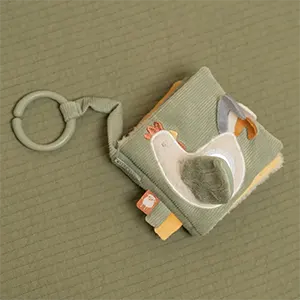
What to look for: Soft, lightweight books labelled suitable from birth, with simple pictures and different textures. The Little Dutch Little Farm Stroller Activity Booklet is one option for those first shared moments.
How to use them: Hold the booklet where your baby can comfortably see it, describe the pictures and gently explore its sounds. Keep sessions short and follow your baby’s interest. As they grow, give them opportunities to reach and touch.
Three benefits: Encourages looking and listening, offers gentle sensory exploration, and creates opportunities for connection through your voice and attention.
Around 1 year: touch, explore and discover
What to look for: Soft books with easy-to-hold pages, familiar animals and interactive features. The Little Dutch Little Farm Soft and Sensory Activity Book has textures, crinkles and squeakers to explore. It is suitable from birth and can continue to interest older babies.
How to use them: Explore the pages together, name the animals and make their sounds. Let your child turn pages and return to favourite features. Try simple invitations such as “Where is the cow?” without expecting an answer every time.
Three benefits: Gives little hands practice grasping and turning pages, introduces words through shared play, and encourages curiosity about sounds and textures.
Around 2 years: drawing and making marks
What to look for: Drawing and colouring books with plenty of space, simple pictures and drawing materials labelled suitable for your child’s age.
How to use them: Let your child experiment with dots, lines, circles and scribbles. Draw alongside them and talk about the colours they choose. There is no need to stay inside the lines—exploring the marks they can make is part of the fun.
Three benefits: Helps children practise hand movements, encourages imagination, and offers another way to express ideas and feelings.
Ages 3–5: painting and creative activities
What to look for: Painting and activity books suited to your child’s age, with manageable activities and room for their own ideas.
How to use them: Set out a few colours and let your child explore different brushstrokes and colour combinations. Talk about what they notice and enjoy the process together, without needing a perfect finished picture.
Three benefits: Supports hand and eye coordination, encourages experimentation, and builds confidence in making creative choices.
Ages 2–5: sharing stories and learning together
What to look for: Picture books with engaging illustrations, familiar experiences and language children enjoy hearing again. The Growing Together Collection explores feelings, toilet routines and starting Forest School through gentle rhymes, with companion colouring books to revisit each story.
How to use them: Read together, pause to talk about the pictures and invite your child to join in with familiar words. Connect the story to their own experiences, then use the colouring books to continue the conversation through creative play.
Three benefits: Introduces words and language patterns, helps children talk about feelings and everyday experiences, and nurtures a love of books through shared time.
Every child explores at their own pace. These ages are a guide: follow your child’s interests, check each product’s age guidance and enjoy the discoveries together.